Estate Planning Documents
📅 2026 Update: Changes in Estate Planning
Since the original article on estate planning documents was published, some important updates have taken place. These changes affect how individuals approach wills, trusts, and estate taxes. The earlier article continues further down the page for more foundational information.
📈 Federal Estate Tax Exemption Increase
In July 2025, the federal estate tax exemption rose to $15 million for individuals and $30 million for married couples. This change took effect in January 2026. The exemption is now labeled as "permanent," meaning it is not set to be altered or eliminated in the future, except for adjustments due to inflation.
📝 Durable Power of Attorney Updates
A durable power of attorney for health care allows individuals to appoint someone to make medical decisions on their behalf if they cannot do so. Additionally, a durable power of attorney for finances grants authority to manage financial affairs in case of incapacity. These documents are essential for ensuring that your wishes are followed.
⏰ Estate Tax Return Deadlines
The estate tax return must generally be filed within nine months after a person's death. However, the IRS may grant a six-month extension if needed. This time frame is crucial for ensuring compliance with tax laws and proper estate management.
🏢 Free Estate Planning Resources
Various organizations offer free or low-cost resources for estate planning. Nolo provides numerous articles and guides on wills and trusts. AARP also offers tools and articles for creating a will and understanding estate taxes. Many state bar associations provide referrals to estate planning attorneys at little to no cost.
📌 Key Takeaways
- Federal estate tax exemption now at $15 million for individuals.
- Durable powers of attorney for health care and finances are crucial.
- Estate tax return due within nine months after death; extensions available.
- Free resources from Nolo, AARP, and state bar associations.
💡 Tips for Effective Estate Planning
Review the details of your situation with an attorney to ensure your estate plan meets your needs.
📃 Understand the Federal Estate Tax Exemption
Make sure you know the current federal estate tax exemption. For 2026, estates valued above $15 million for individuals will owe federal estate tax. Knowing this can help you plan effectively.
🏥 Consider a Durable Power of Attorney
Creating a durable power of attorney for health care is important. This document ensures someone can make medical decisions for you if you are unable to. It can prevent confusion during difficult times.
📝 Create a Living Will
A living will outlines your medical treatment wishes when you cannot communicate. This document can relieve your loved ones from making tough decisions.
📊 Use Free Resources for Guidance
Explore free resources from organizations like Nolo and AARP. They provide valuable information on creating wills and understanding estate taxes, making the planning process easier.
📅 Keep Track of Deadlines
Be aware of the estate tax return deadline, which is typically nine months after death. Planning ahead can help you avoid penalties or issues with the IRS.
🔍 Regularly Update Your Estate Plan
Regularly reviewing and updating your estate plan is crucial. Changes in your life situation, such as marriage, divorce, or changes in assets, may require updates to your documents.
🏆 Top Estate Planning Services Ranked by User Reviews (2026)
This section highlights services that assist with estate planning, focusing on their ratings and what they are known for. The order is based on Trustpilot data collected in October 2026. Keep in mind that star ratings may fluctuate over time, and dissatisfied customers often leave more reviews.
🥇 1. Trust & Will
Trust & Will has been rated 4.8 out of 5. It is known for its user-friendly online estate planning platform, allowing users to create wills and trusts easily. However, it may have higher pricing compared to some competitors and is available only in certain states.
🥈 2. LegalZoom
LegalZoom holds a 4.7 out of 5 score. It offers comprehensive estate planning services, including customizable wills and trusts. Users can opt for attorney guidance.
Some reviewers mention that the prices may be higher than DIY services and that upselling can be an issue.
🥉 3. eForms
eForms has an average rating of 4.5 out of 5. This service is recognized for providing affordable DIY legal documents, including estate planning forms. While it allows customization, users should note that support agents cannot provide legal advice, which can limit assistance.
🆓 Free Estate Planning Resources
Various organizations offer free resources for estate planning. Nolo provides articles and guides that cover wills, trusts, and probate. AARP also has tools and articles to help create a will and understand estate taxes. Many state bar associations offer referrals to estate planning attorneys at little to no cost.
🔎 What to Compare When Choosing Estate Planning Services
- 📜 Cost of services: Compare the fees associated with creating documents.
- 🏷️ User reviews: Look at ratings and comments from other users.
- 📚 Available resources: Check what additional materials or support are provided.
- 🕒 Processing times: Understand how long it takes to get documents completed.
- 🔄 Customization options: See how customizable the estate planning documents are.
❓ Frequently Asked Questions
🤔 What is the federal estate tax exemption for 2026?
The federal estate tax exemption for 2026 is $15 million for individuals and $30 million for married couples. Estates valued under this threshold will not owe federal estate tax.
📅 How long do I have to file an estate tax return?
An estate tax return is typically due nine months after death. The IRS may grant a six-month extension in some cases.
🏥 What is a durable power of attorney for health care?
A durable power of attorney for health care allows someone to make medical decisions on your behalf if you cannot do so. It ensures your medical wishes are honored.
📄 Do I need a living will?
Creating a living will is recommended to specify your medical treatment preferences when you cannot communicate. This document can relieve your loved ones from making difficult decisions.
🆓 Where can I find free estate planning resources?
Organizations like Nolo and AARP provide free articles and resources on estate planning. Many state bar associations also offer referrals to low-cost estate planning attorneys.
💼 Can I create my own estate plan?
Many people can create their own estate plans using reputable products. However, complex situations may require professional assistance to ensure all legal requirements are met.
⚖️ Recent Court Rulings in Estate Planning Cases
Recent court rulings have clarified various aspects of estate planning, including the validity of wills and the enforcement of trusts. These rulings can significantly impact how estates are managed and distributed.
- Florida court affirms ruling in Consylman estate disputeDistrict Court of Appeal of Florida · May 27, 2026
- Ohio Court Affirms Summary Judgment in Real Estate DisputeOhio Court of Appeals · May 28, 2026
- Hawaii Court Rules on Trust Dispute Between BrothersHawaii Intermediate Court of Appeals · May 28, 2026
- Oregon court reverses trust ruling, remands for further reviewCourt of Appeals of Oregon · May 28, 2026
You can browse more rulings on the news page to stay informed about the latest developments in estate planning.
End of October 2026 Update
What You Need to Know About Estate Planning Documents
It’s a lengthy process, but knowing what goes into it can definitely help an individual prepare for it well. For starters, these are some of the estate planning documents for an individual to keep in mind and to ask a probate lawyer about when it comes time to draw up a plan in the event that the individual may become mentally incapacitated or deceased.
• A Living Will
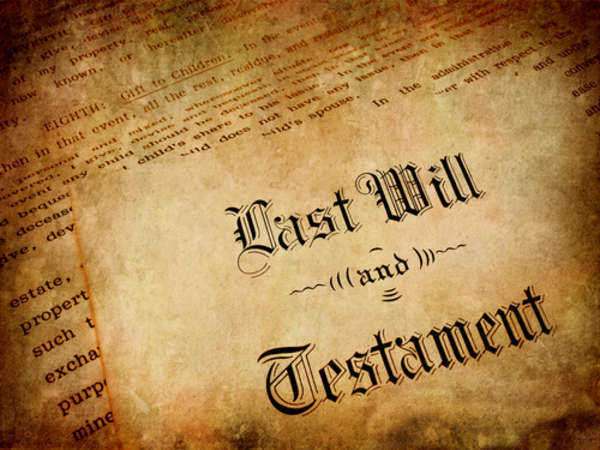
• A Last Will and Testament
• A Power of Attorney
• A Revocable Living Trust
• An Irrevocable Living Trust
To be sure, there are many more minor estate planning documents to deal with, but these are the most important to know about. Because when the time comes, a person’s going to want to make sure everything’s taken care of correctly.
A “Living Will”
In many situations, estate planning documents do include something called a “Living Will,” sometimes also known as a Declaration to Physicians. It’s a document filled out and signed by an individual with knowledge that he or she may then suffer a terminal condition of some kind or will be facing a vegetative state.
The document simply states that a physician will have the authorization at the request of the individual in question to end all life support methods upon the advent of a terminal condition or vegetative state suggesting that there are no remedies or ways to alleviate the condition or state.
As far as estate planning documents go, many times this is the first document to be examined and viewed.
A “Last Will and Testament”
This can honestly be the single most important piece of paper of all the estate planning documents, because it lists every asset of an estate belonging to an individual. Stating that upon death, the document will itemize certain assets or parts of an estate and award such assets and parts to beneficiaries, typically within a family.
In addition, the Last Will and Testament also names Guardians in the event that the deceased individual had minor children in his or her care. Typically, no funds are listed in a Last Will and Testament – only pieces of property, goods, materials, titles, deeds, and other such malleable content. Although an individual may list an amount of money from an estate on the Will and Testament to award to any beneficiary.
A “Power of Attorney”
Also commonly known as a POA, it’s a letter stating that a beneficiary or even the deceased individual has a ‘representative’ responsible for the rights of the beneficiary or deceased in the event of estate planning, to ensure that the rights and wishes of the beneficiary or deceased are followed as planned.
Typically, the person appointed with the POA is a lawyer, but can actually be anyone appointed with approval by the individual involved in the estate plan.
A “Revocable Living Trust”
Like a Last Will and Testament, this document protects an individual’s assets. However, the difference is the Trust doesn’t necessarily list beneficiaries. Rather, it’s about setting up a trust fund to protect a person’s estate and assets upon the time that mental incapacity or death is eminent.
This document is called “revocable” simply due to the fact that an individual may change any provisions as needed at any time. This, however, may subject the individual to estate taxes as the funds still belong in the individual’s name, even though a trustee is in charge of the agreement.
An “Irrevocable Living Trust”
Like the previous document, it offers the same kind of protection – but without the ability to change provisions. This, of course, protects the individual’s assets and estate completely, and can be particularly helpful when it seems that disputes are a possibility upon the time when the estate planning will occur.
For instance: if the Last Will and Testament lists a specific amount of monetary value for an individual, and the Irrevocable Living Trust concurs with that amount as well, it can be binding and may never be changed by anyone, not even the individual himself or herself.